GBVF Brigade Intervention

We as public officials and public servants reaffirm to our clients and all stakeholders that we are here to serve the people of Gauteng.

The GBVF Brigades were mobilised as a strategic intervention to the ever-growing number of GBVF cases in Gauteng. The GBVF Brigades programme is aimed at enhancing community awareness on the scourge of GBVF and the promotion of women’s rights and safety within communities.

GBVF Brigades are comprised of unemployed GBVF community activists, ensuring the economic and social empowerment of women at grassroots level. This GBVF Brigade Programme is registered with the National Department of Public Works as an Expanded Public Works Programme (EPWP) Project, with 615 brigades currently receiving a monthly stipend.
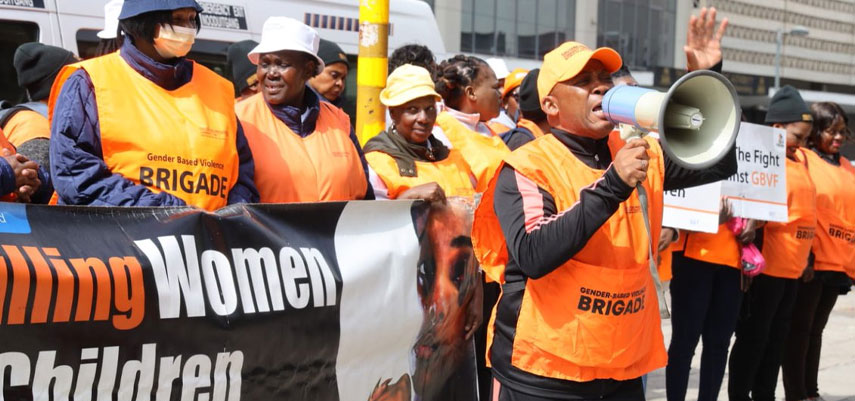
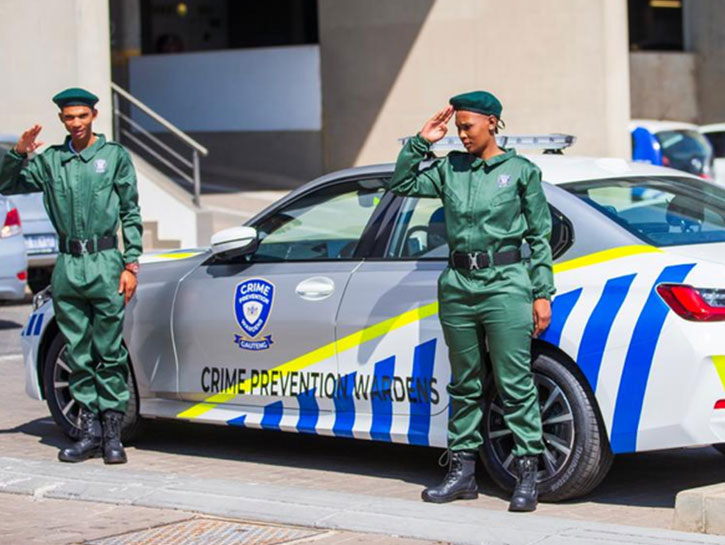
Key GBV Brigades interventions include the following:

Outreach

Leading community mobilisation and advocacy on gender equality and non-violent approaches and dissemination of information which supports the prevention of GBVF to encourage reporting of cases.

Assess

Assessment during family visits that helps determine whether any family member is a victim of GBVF, and the type of intervention required. Brigades work in pairs and are required to visit at least 10 households per day for estimated 3 075 households reached per day.

Refer

Refer to internal stakeholders (Family Justice, Ikhaya Lethemba, complaints about SAPS).

Refer to external stakeholder (Green Doors, CSO, VEC - SAPS).

Strengthening of criminal justice system

Victim support through court picketing.

Best practise shared.

On the 25th of March 2022 the GBVF Brigade programme was shared at an official Ministers and Members of Executive. Councils Meeting (MINMEC) of Policing and accepted as a national best practice to be replicated nationally.

Improved oversight of law enforcement agencies.

With the extension of the National State of Disaster, law enforcement agencies found themselves with more work as they were expected to enforce the laws. Invariably, the Department had to ensure oversight on performance of law enforcement agencies to ensure improved service delivery. Not only were the Gauteng Information on Police Performance System (GIPPS) sessions held with the 55 underperforming police stations, but accountability sessions were also conducted monthly to track performance against the strategic and annual performance plans. In addition, the Department also undertook station visits both announced and unannounced, docket audits, assessments of Metropolitan Police Departments, Community Police Fora and Community Safety Forums and quarterly review session.

Land invasions remain a challenge across the province as requisite authority (such as municipality, Department of Human Settlement) must acquire court orders to remove those occupying land illegally. Law enforcement is the last resort once the court order has been obtained but not adhered to.

Other challenges that continue to negatively impact safety include but not limited to: